
Mastering the basics of DJing involves five essential steps. Begin by setting up your DJ equipment, choosing a suitable controller, and ensuring seamless communication with software and audio outputs. Next, curate a music selection with at least 20 tracks in a similar genre and BPM for cohesive practice. Familiarize yourself with basic mixing techniques such as sync, pitch control, and manual beatmatching. Gain live performance experience to enhance your skills and adapt to audience energy. Finally, engage with DJ communities for resource sharing and access to exclusive content. Initiate this structured journey to refine your DJ prowess and techniques.
Key Takeaways
- Choose an affordable DJ controller compatible with software like Pioneer DJ for practical learning.
- Curate a music library with at least 20 genre-consistent tracks for seamless mixing practice.
- Employ sync and pitch control techniques to enhance track transitions and tempo alignment.
- Gain live performance experience to improve audience engagement and receive valuable feedback.
- Join DJ communities for resources, networking, and continuous skill development.
Setting Up Your DJ Equipment

Getting started with your DJ equipment involves a few essential steps to guarantee a smooth and effective setup.
Begin by selecting a DJ controller, which serves as an affordable entry point for aspiring DJs. Choose a controller that offers seamless integration with major software systems, such as Pioneer DJ or Numark, to guarantee compatibility with your preferred DJ software. These controllers typically include introductory DJ software, making them ideal for newcomers.
The DJ controller’s features—such as volume controls, EQ settings, and effects—are vital for enhancing your mixing skills. Familiarizing yourself with these features is imperative, as it allows you to manipulate tracks with precision and creativity.
A laptop is indispensable in this setup, acting as the hub for running DJ software and managing your music library. Connect your DJ controller to the laptop using a USB cable, guaranteeing seamless communication between devices. Once connected, install the DJ software to access the full potential of your controller’s features.
Audio monitoring plays a pivotal role in delivering a balanced sound experience. Set up your DJ environment with headphones for cueing tracks and speakers for playback. This dual approach guarantees that you can accurately match beats and maintain smooth changes.
Curating Your Music Selection
Efficiently curating your music selection is a cornerstone of successful DJing, as it sets the tone and energy of your sets. Begin by selecting at least 20 preferred tracks within the same genre and similar BPM range. This approach guarantees a consistent practice experience and aids in honing your track selection skills.
Opting for extended DJ-friendly versions, typically 5-7 minutes in length, offers ample time for seamless mixing and shifts, a key aspect for any DJ. Incorporating timeless and current tracks into your library is essential to maintain vibrancy and appeal. Familiarity with your chosen tracks is important. Understanding their structure enhances your ability to execute smooth shifts and accurately cue during live performances.
It is beneficial to explore genre, expanding your musical library beyond your usual preferences. This not only enriches your musical taste but also broadens your DJing capabilities, allowing you to adapt to diverse audience preferences.
Regularly updating your music selection is crucial to maintaining the freshness and engagement of your sets. Crowd reactions can be greatly influenced by the diversity and relevance of your playlist.
Therefore, keeping your library dynamic and varied is essential for a successful DJ career, guaranteeing your audience remains captivated and entertained.
Mastering Basic Mixing Techniques
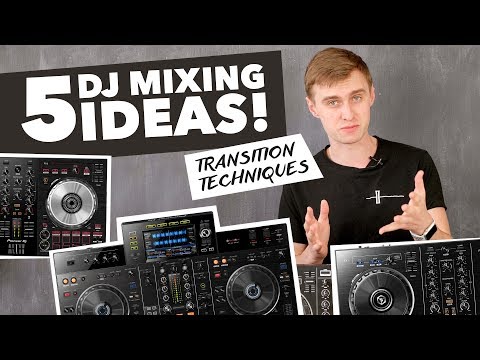
Curating a well-rounded music selection is the groundwork upon which DJing artistry is built, and understanding basic mixing techniques enhances this foundation into an enthralling auditory experience.
One of the initial steps to mastering mixing is employing sync techniques. Syncing enables smooth shifts between tracks, providing a seamless listening experience while allowing novice DJs to focus on refining their skills.
Mastering pitch control is another key aspect, as it facilitates precise tempo alignment and consistent track flow. Crossfading practice is essential for creating fluid shifts. By aligning shifts with the track structure, DJs can guarantee that musical phrases blend harmoniously.
Understanding track structure is also key for developing cueing skills, which are fundamental for effective timing and mixing. Accurate cueing allows DJs to anticipate changes and maintain the flow of music effortlessly.
Manual beatmatching, though challenging, is a cornerstone of DJing. This technique requires precise tempo alignment and sharp listening skills, greatly enhancing a DJ’s overall capabilities.
Mastery of manual beatmatching is necessary for those aspiring to raise their live performance quality.
Gaining Live Performance Experience
Stepping into the domain of live performances marks a pivotal stage in a DJ’s journey, where theory and practice converge under the spotlight. Booking a public gig is not only a rite of passage but also a fast-track to building confidence and honing essential skills.
Networking extensively at music events and clubs can enhance a DJ’s visibility and provide more opportunities for live performances. The real-time environment of a live audience engagement challenges DJs to effectively read the crowd, adjusting their sets to maintain energy and connection throughout the performance. It’s a dynamic dance between creativity and control, where every beat can pivot the mood of the audience.
- Accelerate Learning and Build Confidence: Performing live accelerates the learning curve, forcing DJs to confront performance anxiety and build resilience. Each experience becomes a stepping stone towards mastery.
- Networking Opportunities: Engaging with the nightlife scene opens doors to invaluable networking opportunities. These connections often lead to future gigs and collaborations with other artists, expanding a DJ’s horizons.
- Observe and Learn: Watching established DJs perform offers insights into diverse mixing styles and techniques. These observations can greatly enrich one’s own performance style, contributing to technical growth.
Through continuous live practice, DJs solidify their technical skills, gaining real-time feedback that highlights areas for improvement.
Embracing Community and Resources
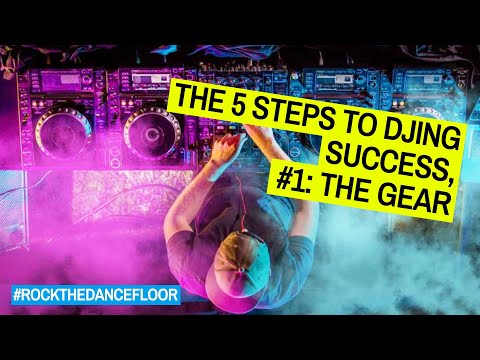
Although mastering the art of DJing requires individual dedication and practice, embracing the DJ community and utilizing available resources greatly enhances the journey. Engaging with communities like the Digital DJ Tips community, which boasts over 150,000 members, offers invaluable opportunities for resource sharing. Members gain access to exclusive free training videos and articles, markedly aiding skill development. Active participation in community forums is vital for community engagement, allowing DJs to ask questions, share tips, and receive feedback, fostering personal growth and honing their craft.
Participation in events, workshops, and gatherings provides a dynamic platform for collaboration and networking. These interactions encourage the exchange of knowledge and experiences among DJs and enthusiasts, enriching their musical journeys. Additionally, subscribing to a weekly newsletter offering tutorials, gear reviews, and industry news is a strategic move. It guarantees DJs remain updated on trends and techniques, equipping them with valuable resources for continuous learning.
| Community Engagement | Resource Sharing | Networking Opportunities |
|---|---|---|
| Forums | Training Videos | Workshops |
| Events | Articles | Community Gatherings |
| Newsletters | Gear Reviews | Nightlife Involvement |
Active involvement in nightlife and DJ events not only builds confidence but also enhances audience engagement skills through exposure to diverse musical styles.
Frequently Asked Questions
How to Learn DJ Step by Step?
To learn DJing step by step, prioritize gear selection by acquiring a DJ controller and software. Develop a foundational understanding of music theory, curate a genre-specific library, practice mixing techniques, record sessions, and seek live performance opportunities.
What Should a Beginner DJ Practice?
A beginner DJ should practice beat matching, refine song selection, and master equipment setup. Focus on seamless audio shifts and engage in live performances to enhance crowd engagement skills, fostering confidence and competence in real-world DJ settings.
What Are the Fundamentals of DJ Mixing?
The fundamentals of DJ mixing include mastering beat matching to align track tempos, employing sound shifts for seamless mixing, understanding track structure, utilizing EQing techniques for frequency balance, and familiarizing oneself with extended DJ-friendly track versions.
How Long Will It Take to Learn DJ?
The DJ learning timeline varies, typically ranging from 6 months to 2 years. Skill progression stages depend on consistent practice, commitment, and practical experience. Beginners can accelerate proficiency by dedicating 10 hours weekly and engaging in live performances.
Conclusion
Mastering the basics of DJing requires a systematic approach that encompasses essential components such as equipment setup, music curation, and foundational mixing techniques. These elements form the bedrock upon which aspiring DJs can build competence and confidence. Additionally, practical experience gained through live performances enhances skill development while fostering adaptability to diverse audiences. Engaging with the DJ community and utilizing available resources further enriches this journey, providing valuable insights and support. Collectively, these steps facilitate a thorough understanding and mastery of DJing fundamentals.